
Blog#1- Professionalism and Social Media Audit
Once I completed the social media audit, it confirmed what I already knew: my online presence is quite weak, because a Google search of my name does not yield much other than my LinkedIn profile and that’s intentional. I shed Facebook, Instagram, and Twitter years ago when I realized I was investing too much time into social media with minimal professional return; therefore, I prefer to contact my colleagues directly via email, phone……. CLICK TO SEE FULL BLOG
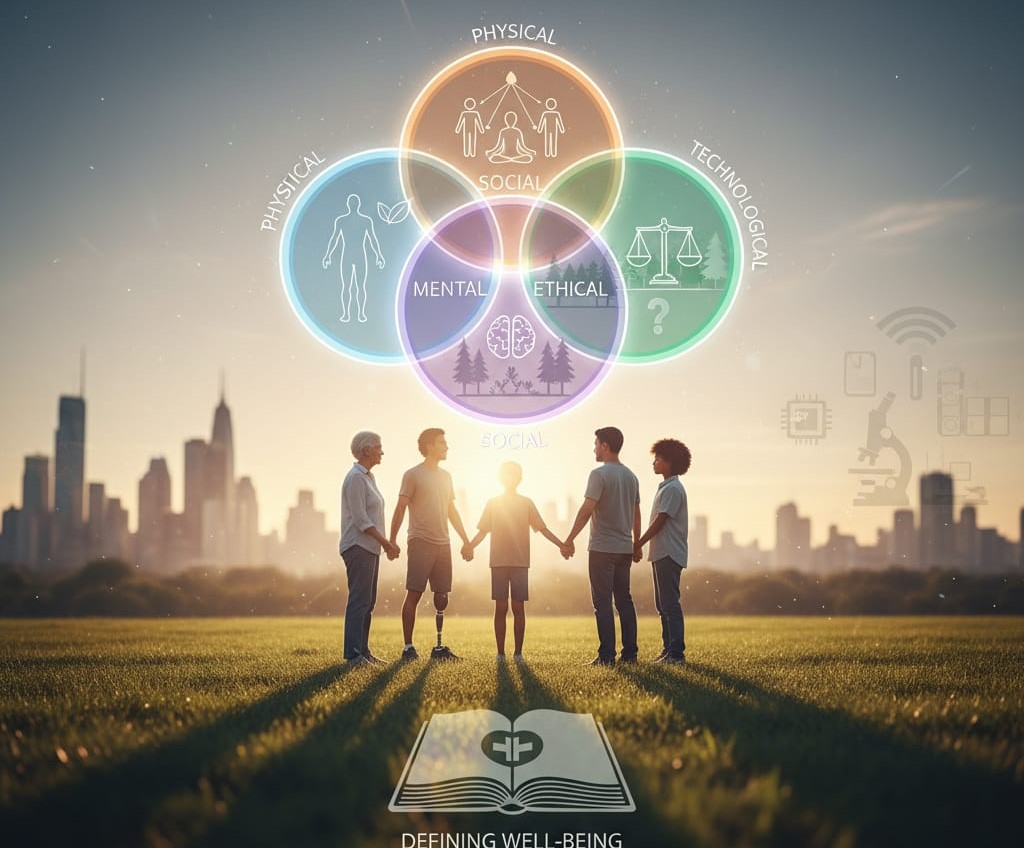
Blog#2- Understanding Health Definitions
The concept of health has changed over time, according to the World Health Organization (1948) health is: ‘a state of complete physical, mental and social well-being and not merely the absence of disease’, but this definition has also been criticized because the expectation of ‘completeness’ is unattainable. It is no longer tenable in the face of the chronicity of disease and the multiplicity of determinants of health that face many people (Huber et al., 2011), and therefore, an individual may be physically well but suffering from chronic depression. Moreover, the use of the word complete makes it impossible to measure health and well-being in modern……. CLICK TO SEE FULL BLOG
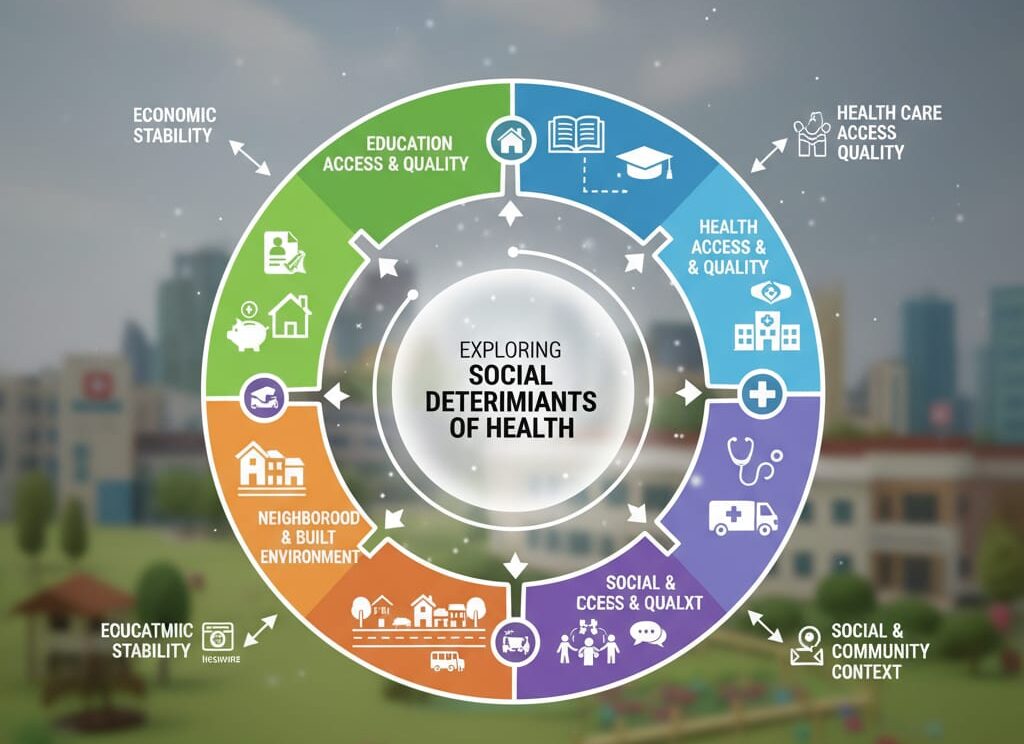
Blog#3- Exploring Social Determinants of Health
Health is not just about personal choices or genetics, but it is about the conditions in which people are born, grow, live, work, and age, which are the conditions that lead to illness, wellness, or access to care. The social determinants of health are the fundamental causes of health inequities, the unfair, avoidable differences in health status that exist within and between countries, because the World Health Organization (n.d.) states that the social determinants of health are the primary causes of health inequities, which are the primary causes of health inequities, such as housing quality, education……. CLICK TO SEE FULL BLOG
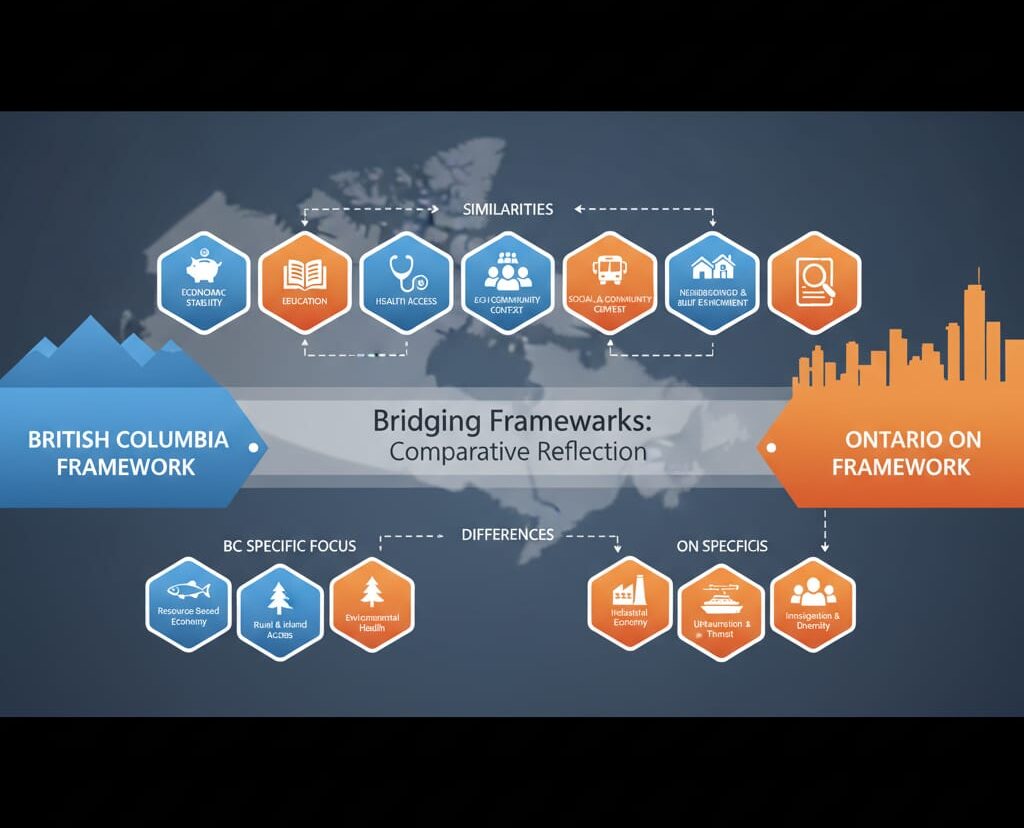
For this interprofessional activity, I collaborated with a Nuclear Medicine Technologist (NMT) from British Columbia to compare how Ontario and British Columbia define, prioritize, and operationalize the social determinants of health (SDoH), and the activity showed clear regional differences in approach, as well as how each province operationalizes equity as a principle into daily policy and action…… CLICK TO SEE FULL BLOG
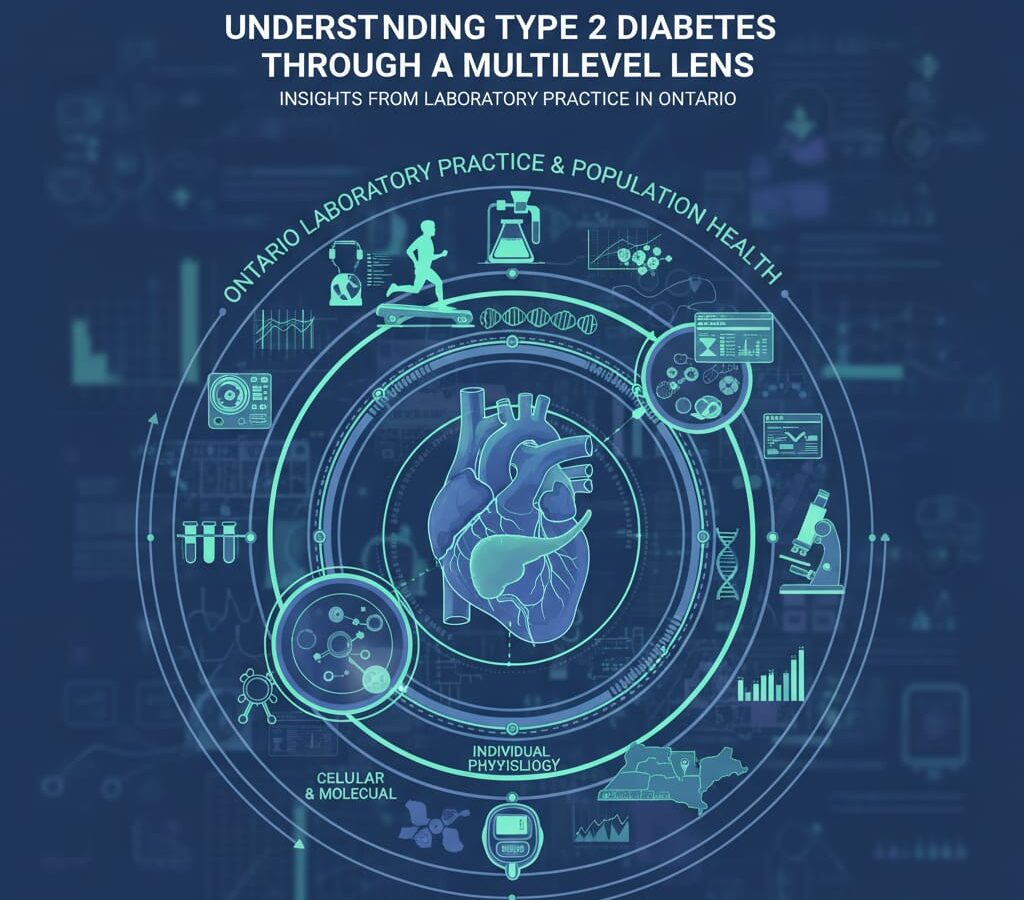
Type 2 diabetes (T2D) is a chronic disease, which affects millions of Canadians and the management of T2D requires an intersectoral approach to policy and practice at all levels of public policy, healthcare system, community and individual behaviour. As a Medical Laboratory Technologist (MLT), I have seen the importance of diagnostic testing (e.g. HbA1c, fasting glucose, and lipid panels) for early detection, ongoing monitoring and treatment decision-making because this information is crucial for effective disease management……CLICK TO SEE FULL BLOG
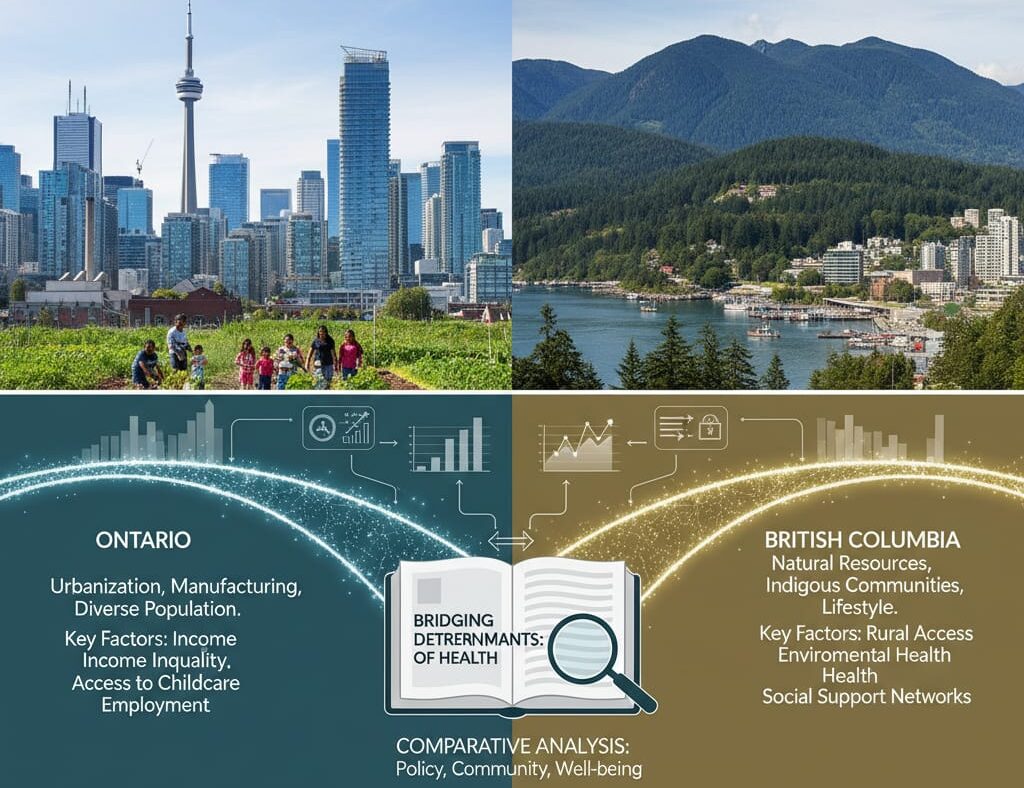
Health outcomes are influenced by a complex interplay of biological, behavioural, social, and structural determinants, and provinces in Canada are striving towards health equity using diverse approaches that are tailored to their policies, health system features, and priorities. In this blog, we employ a Socioecological Model to explore how operational and structural strategies in Ontario and British Columbia affect health outcomes at multiple levels…… CLICK TO SEE FULL BLOG
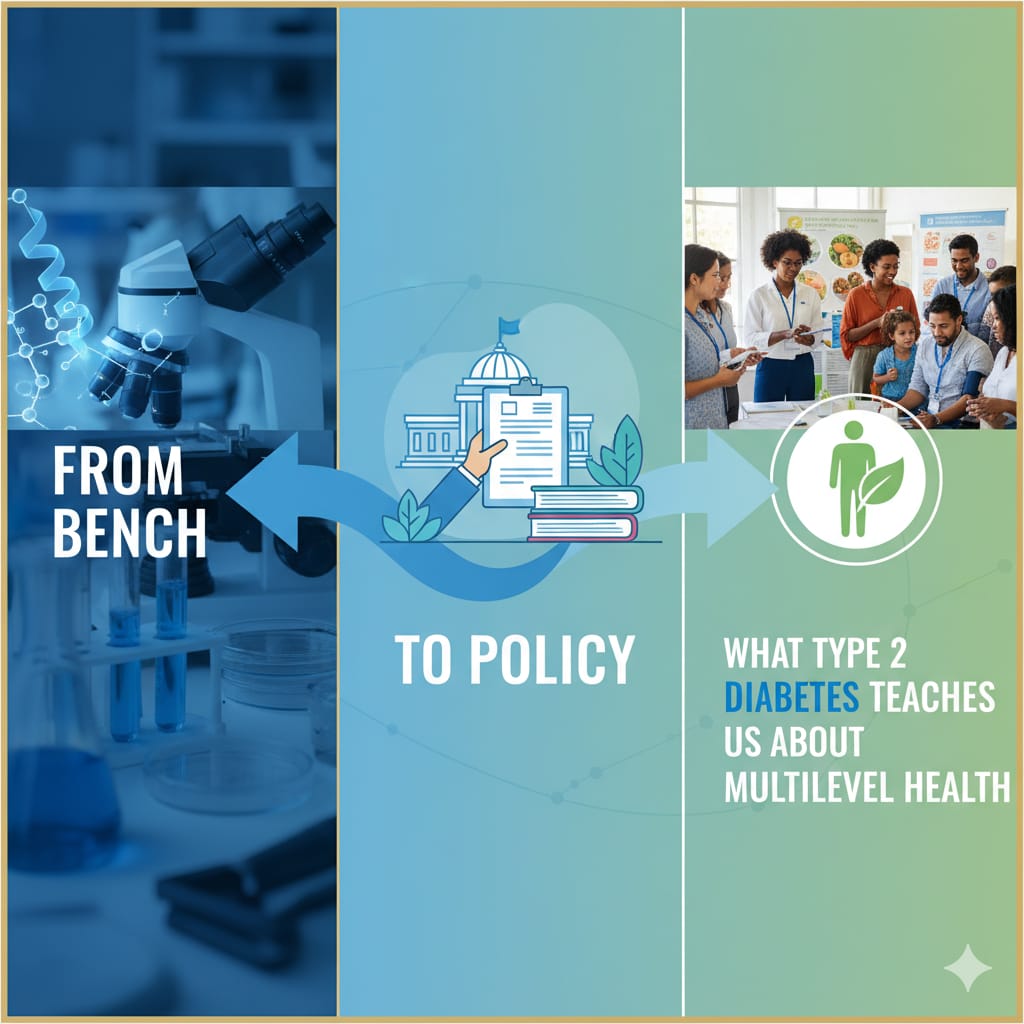
BLOG#7- From Bench to Policy: What Type 2 Diabetes Teaches Us About Multilevel Health
Type 2 diabetes (T2D) is increasing at an alarming rate in Canada with over 3.6 million people affected, because it has a disproportionate burden on older, low-income and Indigenous Ontarians (Diabetes Canada, 2024). As a medical laboratory technologist (MLT), I have observed that the results of diagnostics are reflective of and perpetuate the broader inequities that exist within society, because each result of hemoglobin A1C or fasting glucose is not just a numerical value, but is reflective of the behavioral choices….. CLICK TO SEE FULL BLOG

BLOG#8- Bridging the Gap: Indigenous Health Equity Across Ontario and British Columbia
Each case we are made aware of in Ontario and British Columbia is more than a clinical picture, and it is a person’s story that is influenced by the place where they live, the history that they carry with them, and the system they come into contact with. For Indigenous Peoples in Canada, this story continues to be one of harm due to colonialism, system-based inequities, and barriers to culturally safe care, as noted by Indigenous and Northern Affairs Canada and the National Collaborating Centre for Indigenous Health in 2022…..CLICK TO SEE FULL BLOG
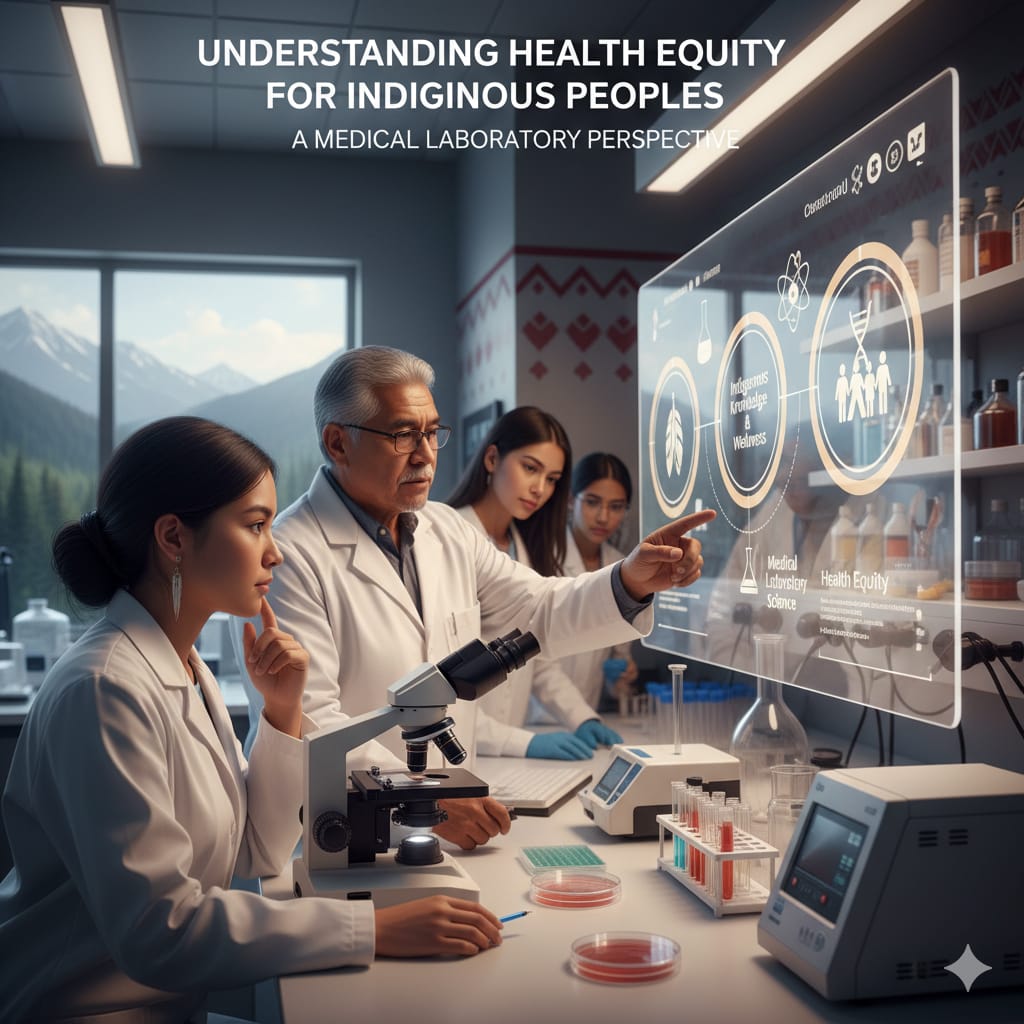
BLOG#9- Understanding Health Equity for Indigenous Peoples: A Medical Laboratory Perspective
Health inequities in Canada, especially among Indigenous Peoples, do not occur randomly or coincidentally, but are the result of historical, social, and structural factors (Government of Canada, 2024). Although, as a MLT in Ontario, I am rarely in a situation where I meet the individuals from whom the samples I process come from, every value I report is not just biology, but also whether or not that individual had access to care, their socio-economic status, and the result of systemic discrimination…….CLICK TO SEE FULL BLOG
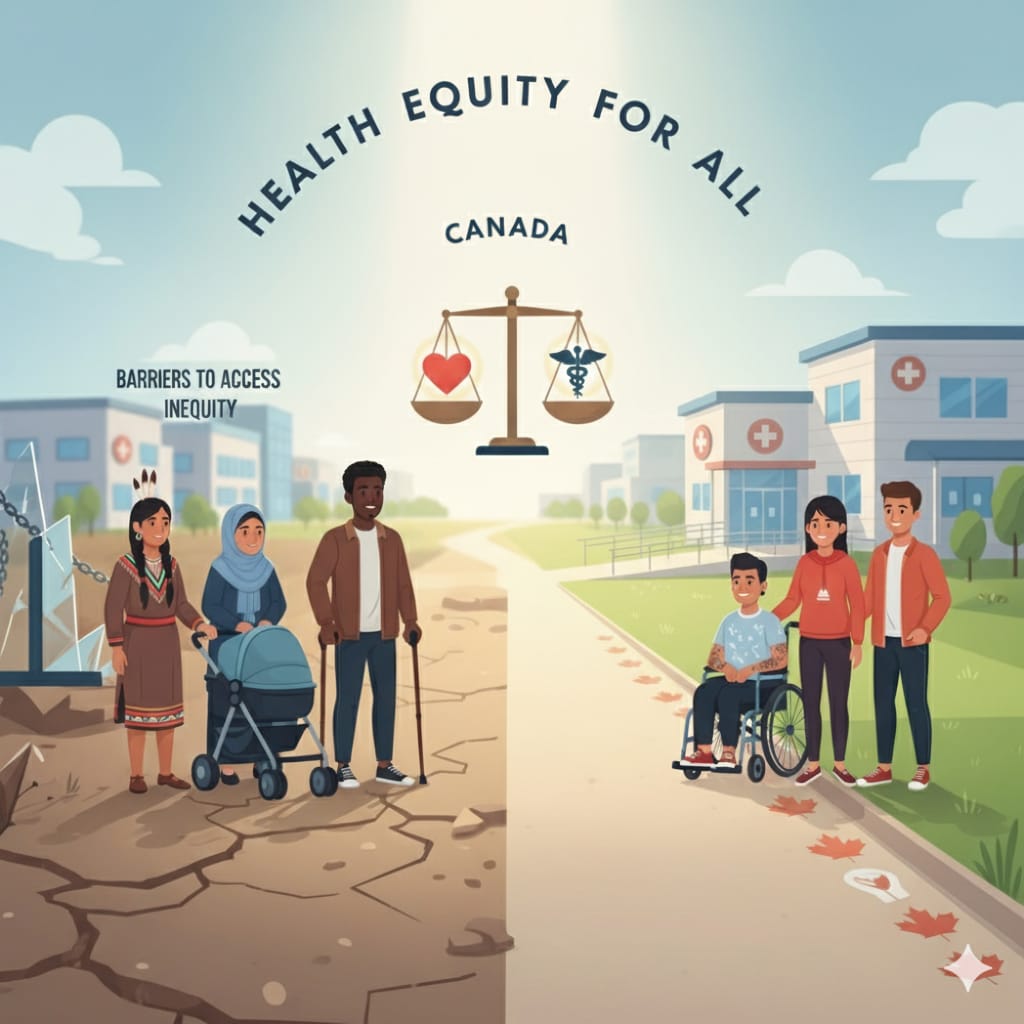
As a Medical Laboratory Technologist (MLT) in Ontario, I am always conscious that every sample I touch is a life, a story, a person waiting for answers. This course has made me understand a difficult truth: Canada has entrenched and longstanding inequities in access to diagnostic testing, which determine who is tested early, who is diagnosed late, and whose results are used to inform clinical decisions……..CLICK TO SEE FULL BLOG